

Short-term training at Halifax Community College offers fast, career-focused programs designed to help individuals gain in-demand skills and enter the workforce quickly. Led by the Workforce & Economic Development Department, these programs are developed in partnership with local employers to meet regional workforce needs. Through industry-recognized credentials, customized training, and continuing education opportunities, the department supports job growth, economic advancement, and accessible pathways to new careers for students and the community.
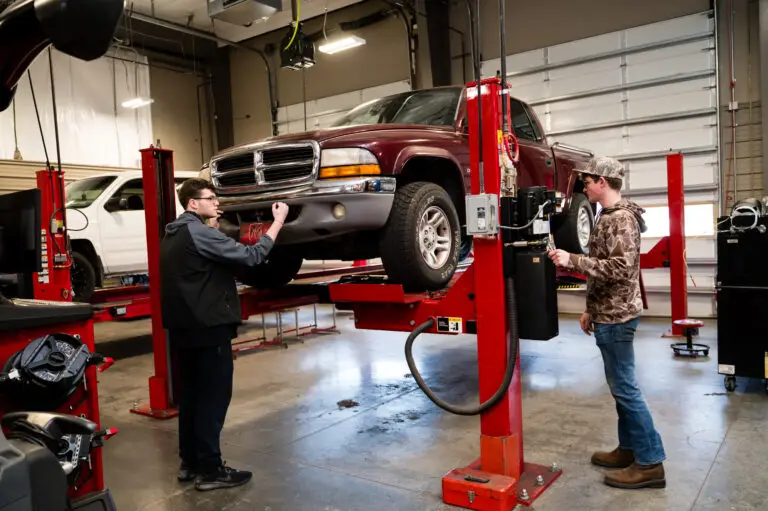
The Ford Automotive Career Exploration (ACE) program is a dealer-sponsored program intended to raise awareness and increase interest in career opportunities within the automotive industry, ultimately as a service technician at a Ford or Lincoln Dealership. ACE is a partnership program between Ford Motor Company, Ford/Lincoln dealerships, and secondary and post-secondary educational institutions.
This course is designed to meet the training and licensing requirements (initial and/or renewal) for the On-Board Diagnostic (OBD) Emissions Inspection Program administered by the NC Division of Motor Vehicles, License, and Theft Bureau. Upon completion, a student will understand the rules, regulations, and procedures for conducting an OBD emissions inspection; be able to inspect a vehicle properly; and be prepared to sit for the state certification exam. In addition, each student must be employed at an inspection station and possess a valid driver’s license.

This course is designed to cover the principles of electrical wiring as it applies to commercial/ residential applications. Emphasis is on Ohm’s law, alternating and direct currents, series circuits, parallel circuits and series parallel circuits, use of electrical tools and equipment, wiring materials and many other special subjects. Preventive maintenance and troubleshooting as well as National Electrical Code will be covered.
This course will introduce participants to the knowledge and skills needed to enter and excel in this high-demand job market. The course is broken down into topics including: orientation to the electrical trade, electrical safety, introduction to electrical circuits, electrical theory, introduction to National Electrical Code, device boxes, hand bending, raceways and fittings, conductors and cables, basic electrical construction drawings, residential electrical services, and electrical test equipment.
This hands-on Electrical Level 2 course is available for students who have completed Electrical Level 1. The course is broken down into topics including: alternating current, motors: theory and application, electric lighting, conduit bending, pull and junction boxes, conductor installations, cable tray, conductor terminations and splices, grounding and bonding, circuit breakers and fuses.
Participants successfully completing this course will be eligible for the fork lift operator’s license. Topics to be presented include basic design of lift trucks, stabilization of trucks, maintenance, operating techniques, and safety aspects in operation.
This course introduces participants to HVAC operations, maintenance, and troubleshooting for residential and light-commercial heating/cooling systems. Participants will also use diagnostic tools and procedures to identify problems and establish operating efficiency in accordance with manufacturer guidelines and standards.
This program is designed to provide students with the skills necessary to become employed as a heating and air conditioning technician. Course topics focus on operating principles of heating and cooling systems with emphasis on safety, theory and principles of refrigeration, types of heating/cooling systems, Ohm’s law, load calculation, troubleshooting using the various types of test equipment, servicing, repairing and installing components/entire systems and employment of customer service techniques.
Participants will learn more about the concepts from Level 1, as well as key content including: commercial airside systems, chimneys, vents, flues, introduction to hydronic systems, air quality equipment, leak detection, evacuation, recovery, and charging, alternating current, basic electronics, introduction to control circuit troubleshooting, troubleshooting gas heating, troubleshooting cooling, heat pumps, basic installation and maintenance practices, sheet metal duct systems, and fiberglass and flexible duct systems. Also variable refrigerant flow systems, commercial hydronic systems, steam systems, and retail refrigeration systems.
This 10-hour course is designed to provide participants with the basic skills and knowledge necessary to recognize workplace hazards in an industrial, service, or business setting. The program consists of Introduction to OSHA and the OSH Act, Health and Safety Management Systems, OSHA Recordkeeping, Bloodborne Pathogens, Permit Required Confined Spaces, Welding, Hand and Power Tools, Walking/Working Surfaces, Hazard Communication, Personal Protective Equipment, Exit Routes and Fire Protection, Electrical Safety, Machine Guarding, Lockout, Powered Industrial Trucks, Industrial Hygiene, Hearing Conservation, and Respirator Protection and leadership skills. Several of these topics are mandatory, while others are elective. The course is taught in two 5-hour sessions. The price for this class includes a $70.00 registration fee and a $8.00 OSHA Card fee.
OSHA 30-Hour General Industry Certification covers hazard awareness topics and how to reference the OSHA General Industry Standards resources. If you are responsible for personnel safety, safe operations and/or OSHA compliance, this certification is one to consider. In an interactive class setting, the instructor will help you better manage and lead your organization’s safety strategies and action plans toward bottom line results.
This course provides instruction on the principles and practices of welding. Emphasis is on the blueprint reading, metallurgy, welding inspection, and destructive and non-destructive testing. Course content will be specific to a particular welding process, such as SMAW (stick), general safety, common hazards, oxyfuel, plasma arc, air carbon arc, base metals, joint design, quality workmanship, and codes.
This course provides instruction on welding symbols, reading welding detail drawings, physical characteristics and mechanical properties of metals, preheating and post heating of metals, uses of different filler metals and gases, and GMAW (MIG), flux core arc welding, and GTAW (TIG) setup.
Participants will learn Welding Safety, Blue Print Reading, Construction Math, Material Handling, Oxyfuel Cutting, Plasma Cutting, Air-Carbon Arc Cutting, Base Metal Preparation, Weld Quality, Shielded Metal Arc Welding (SMAW), SMAW Beads and Fillet Welding, Joint Fit-Up and Alignment, SMAW Groove Welds with Backing, Welding Symbols, Physical Characteristics and Mechanical Properties of Metals, Preheating and Post heating of Metals, and Gas Metal Arc Welding (MIG & TIG) and Pipe.

Students who complete the HCC Truck Driver Training Program will be well-equipped to obtain entry-level positions in the transportation industry. Students will be tested through written and behind-the-wheel exams to ensure they have the skills and knowledge required to safely and successfully operate commercial vehicles. Graduates of this program can expect to earn anywhere from $40,000 – $60,000 annually in their first year of employment with an established company. Our graduates can expect to find employment in various industries, governmental agencies and via self-employment locally, regionally, and nationally.
This course is designed to provide training in the requirements for the Hazardous Materials endorsement and compliance with the Federal Motor Carrier Safety Regulations regarding HazMat handling and transport. The endorsement is optional to each student who has a CDL or CLP (Commercial Learner’s Permit).
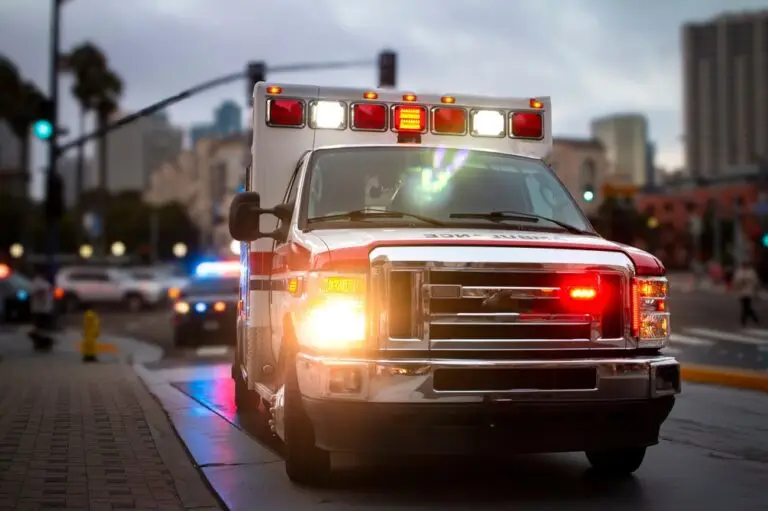
The Short-Term Training Emergency Medical Technician (EMT) – Initial Course provides the knowledge and practical skills needed for an entry-level job in Emergency Medicine. The program adheres to the guidelines established by the NC Office of Emergency Medical Services (OEMS), including course content, equipment standards, clinical and field requirements, and skills documentation.In addition to online didactic course work, the EMT course includes 5 weekend onsite skill lab sessions,and a minimum of 48 hours Clinical Education.
Prerequisites:

This course is designed to provide students with the basics for playing the guitar. The learner will become familiar with the parts of a guitar, holding, fingering techniques, and tuning the instrument. Students will be introduced to several basic Chord notes used for playing the guitar.
This course is designed to provide students with the basics for playing the guitar. The learner will become familiar with the parts of a guitar, holding, fingering techniques, and tuning the instrument. Students will be introduced to several basic Chord notes used for playing the guitar.
This curriculum prepares individuals for entry-level employment in entertainment, particularly in the fields of sound and lighting. Instruction not only provides training in these technical aspects, but also prepares students to manage careers in this contract-to-contract type of work.

This course instructs individuals wanting to become commissioned as a notary public or those up for re-certification. Topics include the Notary Act’s legal, ethical, and procedural requirements as described in N.C. General Statue 10B Article 1. Pre-requisites: Student must be at least 18 years of age; reside or have a regular place of work or business in this state; speak, read, and write English language and possess a high school diploma or equivalent. Upon completion of this course with a passing exam grade of 80 percent, a person is eligible to make an application with N.C. Secretary of State’s Office.
Required Text: North Carolina Notary Public Manual, 11th Ed, 2016, ISBN: 9781560118510

This course provides safe driving techniques given by a Certified Defensive Driving Instructor according to the North Carolina Safety and Health Council. Students learn practical strategies to reduce collision-related injuries, fatalities, and cost. The importance of attitude in preventing crashes and the reinforcing of good driving skills are addressed.
This course is the most comprehensive defensive driving curriculum and taught in an eight-hour format. It provides safe driving techniques given by a Certified Defensive Driving Instructor according to the North Carolina Safety and Health Council. Students learn through scenario-based training. They’ll evaluate and assess high-risk driving situations and determine the most effective response using defensive driving techniques and collision prevention strategies.

This 24-hour course, is a required course for all substitute applicants. The course will provide practical training in five critical skill areas that include planning, instruction, behavior management, human relations, and professional growth.
This 24-hour course, is a required course for all substitute applicants. The course will provide practical training in five critical skill areas that include planning, instruction, behavior management, human relations, and professional growth.
The Medical Assisting curriculum prepares multi-skilled health care professionals qualified to perform administrative, clinical, and laboratory procedures.
Course work includes instruction in scheduling appointments, coding and processing insurance accounts, billing, collections, computer operations, assisting with examinations/ treatments, performing routine laboratory procedures, electrocardiography, supervised medication administration, and ethical/legal issues associated with patient care.
Nurse Aide I courses introduce basic nursing assistant skills to provide personal care and some complex skills for patients, residents, or clients in a healthcare setting.
Some of the following prerequisites are required:
The CPR course is designed to certify individuals in basic CPR through the American Heart Association. This course focuses on basic Cardiopulmonary Resuscitation (CPR), with a focus on cardiac and breathing. Upon successful completion, the student will receive certification through the American Heart Association.
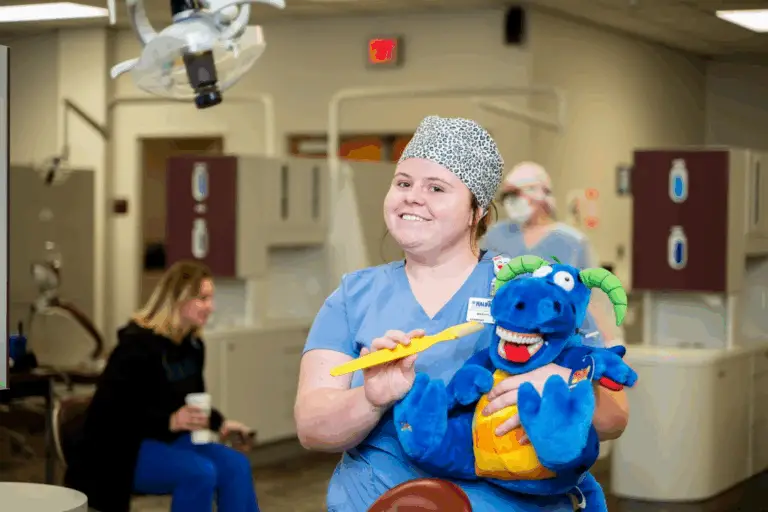
This course is designed to teach students the necessary skills to become a Dental Assistant I in the State of N.C. Coursework includes instruction in general studies, biomedical sciences, dental sciences, clinical sciences, and clinical practice. A combination of lecture, laboratory, and clinical experiences provide students with knowledge in infection/hazard control, radiography, dental materials, preventive dentistry, and clinical procedures. Graduates may be eligible to sit for the Certified Dental Assistant (CDA) exam through the Dental Assisting National Board once all requirements are met, including 3000 hours of chairside assisting.
Are you intrigued by the medical field, but also enjoy business and technology?
Medical office administration allows you to combine problem-solving and management skills with communication and leadership skills.
Halifax Community College Front Office Medical Rep. programs prepare you for roles such as a medical administrative assistant serving as the critical link between patients and their healthcare encounter.
Classes are offered for those desiring to learn to give medications in skilled nursing facilities. Students may take the state exam to be listed on the Medication Aide Registry.
Are you intrigued by the medical field, but also enjoy business and technology?
Medical office administration allows you to combine problem-solving and management skills with communication and leadership skills.
Halifax Community College Front Office Medical Rep. programs prepare you for roles such as a medical administrative assistant serving as the critical link between patients and their healthcare encounter.
Are you intrigued by the medical field, but also enjoy business and technology?
Medical office administration allows you to combine problem-solving and management skills with communication and leadership skills.
Halifax Community College Front Office Medical Rep. programs prepare you for roles such as a medical administrative assistant serving as the critical link between patients and their healthcare encounter.
This program prepares you to obtain blood and other specimens for the purpose of laboratory analysis. Course work includes proper specimen collection and handling, communication skills, and maintaining patient data. This is accomplished in a combination of classroom/lab classes and practice in a variety of clinical settings. Graduates may qualify for employment in hospitals, clinics, physician’s offices, and other health care settings and may be eligible for national certification as phlebotomy technicians.

This course provides instruction and clinical practice in natural hair care. The course content includes sanitation, bacteriology, disinfection, first aid, shampooing, draping, anatomy, disorders of the hair and scalp, and client consultation. Advanced students apply the following natural hair care techniques: twisting, wrapping, extending, locking, blow dry and thermal iron. Natural hair care students must complete required hours in an approved program before applying to the State Board of Cosmetic Arts for examination.
Delmus Willis
Director of Workforce Development and Continuing Education
252-536-6376 • [email protected]
Michelle W. Sweet
Workforce Development Coordinator
252-536-6369 • [email protected]
Glendora Dawson
Workforce Development Coordinator
252-536-6375 • [email protected]
Our program provides hands-on training and expert instruction to help you launch a career in skincare, start your own business, or enhance your skills, ultimately leading to licensure as a professional Esthetician in North Carolina.
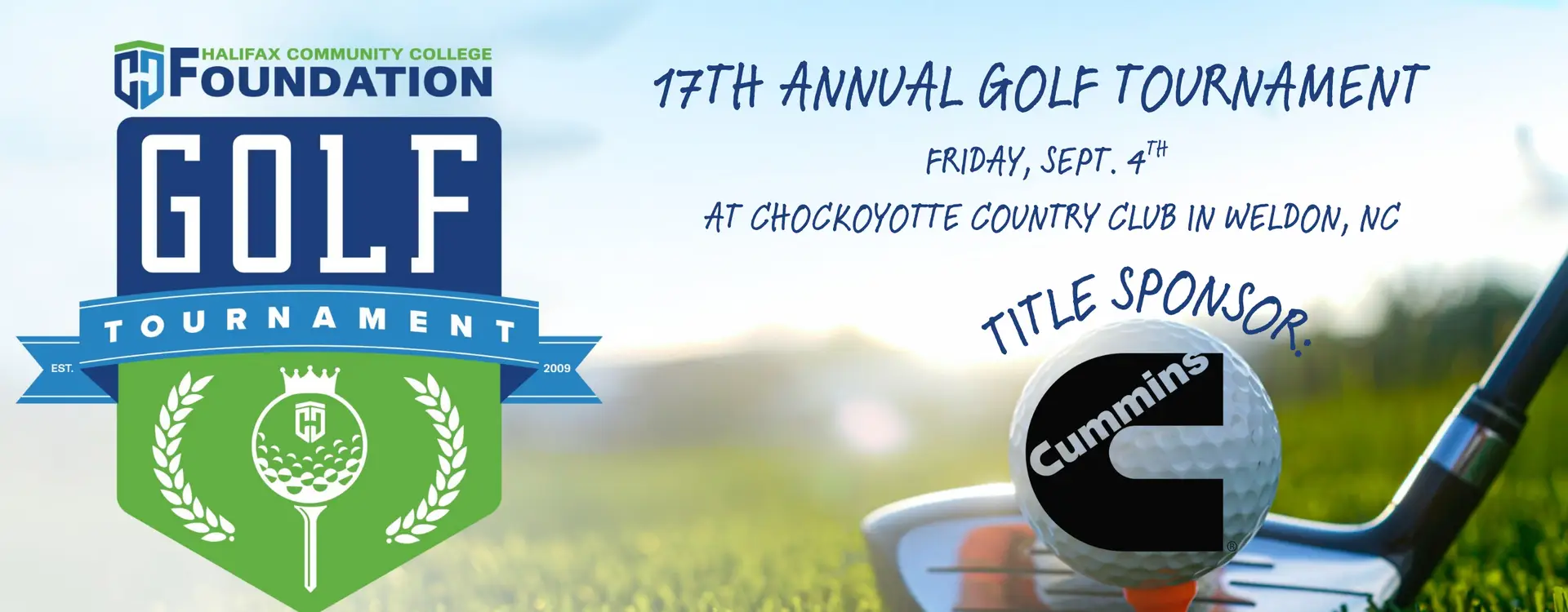
Join us for the 17th Annual Halifax Community College Foundation Golf Tournament on September 4, 2026, at Chockoyotte Country Club!
Tee off is at 8:30 am.
Halifax Community College has returned to Normal Alert Status.
We appreciate the cooperation, patience, and responsiveness shown by our students, faculty, staff, and community partners during the brief Enhanced Alert period.
Your commitment to safety helps us maintain a secure learning environment for everyone.
#HalifaxCC #CampusSafety

Due to severe weather expectations: HCC will close at 12:00 noon today 3/5/2025. Please be safe